




Tinnitus Awareness
Living With Tinnitus – Zoe’s Story
The first time I noticed something strange was the morning after attending a concert around 15 years ago. Everyone who spoke to me sounded like they had a lisp. I realised that my hearing had likely been affected by the loud music the evening before and it took a couple of days to get back to normal. This happened again after being exposed to loud music so I decided I should start wearing ear plugs when attending concerts in the future to protect my hearing. I ordered a pair online and they seemed to do the trick.
However, I appear to have sustained some permanent damage to my ears in the form of tinnitus. For the most part, I experience a ‘whooshing or fizzing’ noise continuously and it is more noticeable when it’s quiet (no TV, reading, going to sleep etc.). Sometimes I get a high-pitched noise in one or both ears that lasts for a short time which can be triggered by certain noise frequencies heard day to day. If I have been outside on a windy day, I experience the whooshing noise a little bit louder after coming back indoors.
At times it can be frustrating to have a constant noise in my ears, especially when it’s quiet. I sometimes worry that my tinnitus will get worse or my hearing deteriorate over time.
I have realised it is so important to look after your hearing and I now make sure I have my ear plugs with me when I know I’m going to be in a loud environment. I don’t want to end up making my tinnitus worse and risk it becoming something that interferes a lot more with everyday life.
What is Tinnitus?
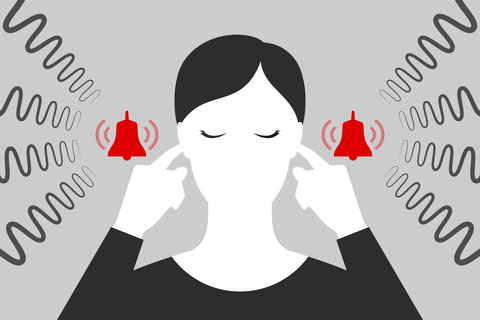
Tinnitus is the term for sounds that come from inside your body, rather than from an outside source.
It’s often described as “ringing in the ears”, although several sounds can be heard, including:
- buzzing
- humming
- grinding
- hissing
- whistling
Some people may hear music or singing, and others hear noises that beat in time with their pulse (pulsatile tinnitus). You may also notice that your hearing is not as good as it used to be or you’re more sensitive to everyday sounds (hyperacusis).
Most people have experienced short periods of tinnitus after being exposed to loud noises, such as after a music concert but in the UK, more persistent tinnitus is estimated to affect around six million people (10% of the population) to some degree, with about 600,000 (1%) experiencing it to a severity that affects their quality of life.
Tinnitus and the Workplace
Tinnitus can result from jobs involving loud sounds or equipment and machinery such as musicians, factory workers, truck drivers, electricians, military, and construction workers.
Exposure to high noise levels can have detrimental physical and mental health effects. These health effects can be caused by one very loud noise or consistent exposure to high noise levels. Thinking about reducing noise sources, moving away from loud sounds and using hearing protection is essential to keep workers safe and healthy in the workplace.
Employers are required to:
- assess the risk from noise in the workplace
- put in place controls to reduce the noise at source
- provide employees with hearing protectors if the noise cannot be reduced enough to protect them from harm
- provide health surveillance for those exposed above 85dB
- provide your employees with training and information on how to look after their hearing.
- ensure that the hearing protectors are properly used and maintained
How Park Can Help?