




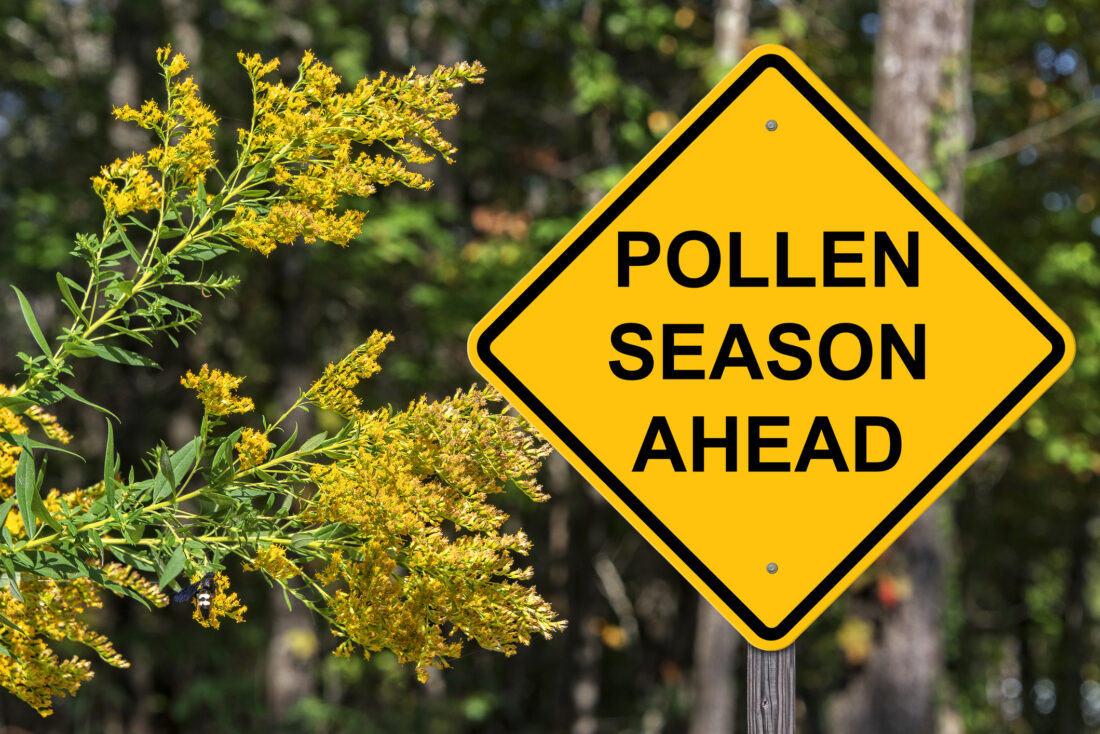
The Super Pollen Bomb and Workplace Health Management
This year the ‘beast from the east’ not only caused travel chaos and school closures, but also led to an extremely late spring. This meant that when spring eventually sprang, it was accompanied by sunshine and heavy rainfall, perfect for the growth of plants. Then, when summer brought us warm weather, it was accompanied by unusually high quantities of pollen released at the same time leading to what has rather dramatically been called the “pollen bomb”.
Plants release their pollen when the weather is bright which explains why pollen counts have been so high recently. However, in humid weather, individual pollen grains can also gain water and then burst. This causes the distribution of lots of individual pollen grains which, because they are tiny, are easily breathed in through the nose and mouth. Not only does this make pollen counts higher, but it also contributes to more severe symptoms.
While pollen allergies are commonly associated with outdoor activities, the impact of high pollen counts on workplace health is often overlooked. Air contamination can exacerbate the situation even further by creating sticky pollen also known as ‘super pollen’. This also tends to linger for longer and can cling easily to the nose, exacerbating symptoms.
Recognising and Managing the Impact of High Pollen on Workplace Health
Some examples of how high pollen and super pollen can impact on workplace health are:-
Allergic Rhinitis: High pollen counts can trigger allergic rhinitis, commonly known as hay fever. Symptoms include sneezing, itchy or runny nose, watery eyes, and congestion. These symptoms can significantly affect employees’ concentration, productivity, and overall well-being.
Asthma Exacerbation: Individuals with asthma may experience worsened symptoms during periods of high pollen. Pollen can irritate the airways leading to coughing, wheezing and difficulty breathing. Employees with asthma require special attention and support to manage their condition effectively.
Fatigue and Reduced Cognitive Function: Persistent allergies and associated symptoms can cause fatigue, leading to decreased energy levels and reduced cognitive function. Employees may find it challenging to focus, make decisions, or perform complex tasks, ultimately hampering their productivity and job performance.
Creating a Pollen-Sensitive Workplace:
What can you do to tackle these issues to create a supportive and productive work environment?
Indoor Air Quality: Implementing effective air filtration systems can help reduce pollen and other allergens indoors. Regular maintenance of HVAC systems, air filters and air ducts is crucial to ensure optimal air quality.
Enhanced Cleaning Practices: Regular cleaning of workspaces including desks, chairs and other surfaces can help remove pollen particles that might have been brought in from outside. Encourage employees to keep personal work areas clean and tidy, reducing the accumulation of allergens.
Outdoor Scheduling and Flexibility: If possible, consider adjusting work schedules to minimise exposure to high pollen counts. Providing flexible work arrangements, such as telecommuting options or adjusting outdoor tasks, can help employees better manage their allergies and maintain productivity.
Employee Education and Awareness: Promote awareness about pollen allergies and provide educational resources to employees. Encourage them to seek medical advice, if needed, and to share information about their condition with their supervisors or human resources department to facilitate appropriate accommodations.
Supporting Employees:
Accommodations and Adjustments: Employers should be open to discussions about necessary accommodations such as adjusted work hours or workspace relocation for employees with severe pollen allergies. Providing a supportive environment fosters employee well-being and demonstrates a commitment to their health.
Encourage Allergy Management: Encourage employees to take proactive steps to manage their allergies. This may include regular use of prescribed medications, wearing protective masks during outdoor work or practicing good personal hygiene such as washing hands and changing clothes after outdoor activities.
Designated Pollen-Free Areas: Consider creating designated pollen-free areas within the workplace such as meeting rooms or relaxation spaces with HEPA air filtration systems. These areas can provide relief for employees with severe allergies during peak pollen seasons.